
Let’s be honest: seeing your dog put on weight isn’t just a cosmetic issue — it’s emotional. You want them to feel light, energetic, and healthy. And when those vet visits start hinting at “overweight” or “risk of joint problems,” it hits you hard.
If you’re here, chances are you’re looking for real solutions — not just another bag of overpriced “weight management” kibble, but homemade dog food recipes for weight loss that actually work. Ones you can trust, tailor, and tweak — all while keeping your pup happy at mealtime.
That’s exactly what this guide delivers.
We’ve gathered vet-informed advice, tested recipes, ingredient breakdowns, and full feeding plans — plus tips for seniors, special dietary needs, and portion control. Whether you’re a seasoned homemade feeder or just testing the waters, this is your complete resource for helping your dog shed weight safely and naturally.
BTW — we’re not here to guilt you. Dogs gain weight for dozens of reasons. What matters is what you do next.
- Why Your Dog’s Weight Matters More Than You Think
- Homemade vs Commercial Diets – What Really Works?
- The Nutritional Blueprint of a Weight-Loss Dog Diet
- Vet-Approved Dog Food Recipes for Weight Loss (Homemade)
- Sample Weekly Meal Plan (for Small, Medium & Large Dogs)
- Treats That Won’t Ruin the Progress
- Adapting Recipes for Special Needs Dogs
- Transitioning to a Weight-Loss Diet – Safely & Smoothly
- Monitoring Your Dog’s Weight at Home
- FAQs About Homemade Diets for Weight Loss
- Final Thoughts – A Slimmer Pup, A Happier Life
Why Your Dog’s Weight Matters More Than You Think
Most dog owners don’t realize it until it’s too late: just a few extra pounds can quietly chip away at your dog’s health. Unlike humans, a 5-pound gain on a 25-pound dog is the equivalent of nearly 20% extra weight. And with that comes a cascade of problems you might not expect.
Overweight dogs face a higher risk of:
- Joint strain and early arthritis
- Heart disease
- Diabetes
- Breathing difficulties
- Reduced life expectancy by up to 2.5 years
And here’s the kicker: dogs can’t tell us when their knees hurt or when they’re short of breath after just a short walk. They just slow down, nap more, and eventually, lose their spark — and we often chalk it up to “aging.”
But many times, it’s not age. It’s weight.
What can you feed a dog to reduce its weight?
To help a dog lose weight safely, you’ll need a diet that:
- Is low in fat
- Has high-quality protein (like lean beef, chicken breast, or turkey)
- Includes fiber-rich veggies (carrots, spinach, pumpkin)
- Avoids high-starch fillers (white rice, corn, or anything fried)
- Prioritizes fresh, lightly cooked meals over processed kibble
Homemade food gives you full control over these elements. You can portion based on your dog’s real needs — not what’s printed on a bag made for “average” dogs.
Want real recipes? Explore our curated homemade weight-loss dog food recipes to start today.
How to Know if Your Dog Is Overweight
Here’s a simple 3-step visual check:
- Rib Test: You should feel ribs easily without pressing hard.
- Waistline: Viewed from above, your dog should have a visible “tuck-in” behind the ribs.
- Energy: Extra weight often causes lethargy, snoring, or reduced playfulness.
If you’re unsure, your vet can calculate your dog’s Body Condition Score (BCS) — the canine version of a BMI.
Let’s not sugarcoat it — extra weight can be deadly. But the good news? Dogs respond quickly to positive changes. Even a small shift in their diet can bring back that tail-wagging energy.
Homemade vs Commercial Diets – What Really Works?
Let’s clear the air: not all “weight management” dog foods are created equal. Walk down any pet store aisle and you’ll see big claims — “low-calorie,” “vet recommended,” “fat-burning.” But flip the bag over, and you’ll often find high-carb fillers, synthetic vitamins, and vague protein sources like “meat meal.”
That’s where homemade recipes come in — offering not just clarity, but control.
Here’s the real comparison:
| Factor | Commercial “Weight Loss” Dog Food | Homemade Weight-Loss Recipes |
|---|---|---|
| Ingredients | Often includes corn, wheat, soy, and animal by-products | Whole foods like lean meats, veggies, and brown rice |
| Calorie control | Broad estimates based on averages | Tailored to your dog’s age, size, activity |
| Nutrient quality | Synthetic vitamins, ultra-processed | Fresh, bioavailable nutrients |
| Palatability | May be bland or overly salty | Naturally flavorful when freshly cooked |
| Cost (long-term) | Expensive for premium options | More affordable, especially in bulk prep |
That said, homemade doesn’t always mean better — unless it’s done right. That means balanced macronutrients, the right supplements, and avoiding toxic ingredients like onions or too much garlic.
Is homemade dog food better for weight loss?
Yes — when properly formulated.
Homemade food allows:
- Control over fat content (skinless poultry, lean cuts)
- High moisture content (helps with satiety)
- Natural fiber (from pumpkin, spinach, oats)
- Fewer empty calories and preservatives
But it also demands more responsibility. You need to get the calcium-phosphorus ratio right, monitor micronutrients, and portion appropriately. That’s why it’s smart to follow vet-approved recipes and, ideally, consult a canine nutritionist before committing to a full diet change.
Still unsure? You don’t have to go all-in immediately. Many owners successfully combine homemade and commercial diets — giving their dog the best of both worlds.
Bottom line: Homemade diets can absolutely work for weight loss — and in many cases, they outperform commercial options. But they only work if you treat them like real nutrition, not just “leftovers in a bowl.”
The Nutritional Blueprint of a Weight-Loss Dog Diet
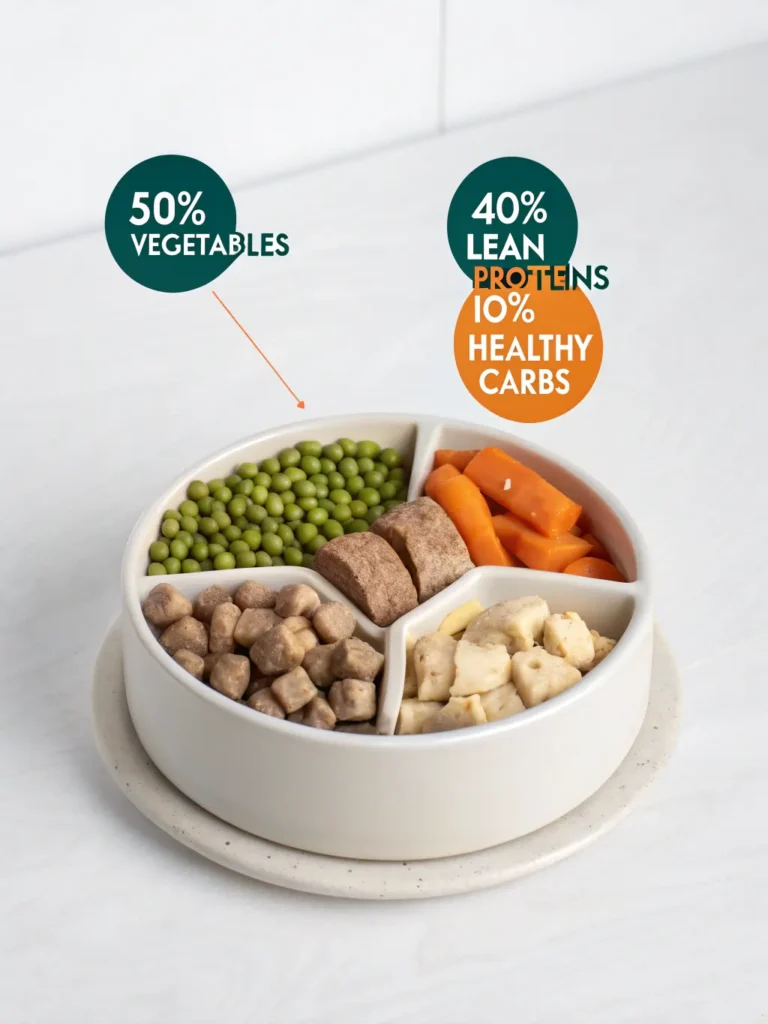
Helping your dog lose weight isn’t about cutting food — it’s about feeding smarter. A well-structured weight-loss diet focuses on nutrient density, not just calorie restriction. When you cook at home, you gain the ability to optimize every bite your dog eats.
Let’s break down what a healthy, weight-loss focused dog meal should include.
Protein First: The Engine of Satiety
High-quality protein keeps muscles intact while fat melts away. It also helps your dog feel full without overeating.
Best protein sources for weight loss:
- Skinless chicken breast
- Lean ground turkey
- White fish (cod, tilapia)
- Egg whites (in moderation)
Avoid fatty cuts or “mystery meats” — they often bring unnecessary calories.
Fiber-Rich Veggies: Natural Fat Fighters
Fiber slows digestion and helps your dog feel fuller longer. Plus, it supports healthy gut bacteria — which in turn helps regulate weight and inflammation.
Top fiber-rich additions:
- Pumpkin (plain, no sugar)
- Green beans
- Carrots
- Zucchini
- Spinach
These can be lightly cooked or pureed for better absorption, especially for older dogs.
Healthy Carbs (Used Strategically)
Contrary to popular belief, carbs aren’t the enemy — empty carbs are. A little brown rice or oatmeal can provide slow-burning energy without causing blood sugar spikes.
Safe carb options:
- Brown rice
- Rolled oats
- Quinoa
- Sweet potatoes (moderate portions)
But keep the total carb content low — ideally under 15–20% of the total meal volume.
Smart Fats: Small Amounts, Big Impact
Your dog still needs fat — just the right kind, in the right dose. Healthy fats support the skin, coat, and brain. You just don’t want them driving the calorie count up too fast.
Use in small amounts:
- Salmon oil (omega-3 boost)
- Coconut oil (supports metabolism)
- Olive oil (antioxidants)
One teaspoon per 20 lbs of body weight per day is a common safe range — but always check with your vet.
Are sweet potatoes good for dogs?
Yes — in moderation. Sweet potatoes are rich in fiber, vitamin A, and low in fat, making them a useful ingredient in a weight-loss diet.
Boil or bake them without oil or seasoning, and limit to a few tablespoons per meal depending on your dog’s size.
Avoid raw sweet potatoes, and never use canned varieties with added syrup or salt.
Essential Supplements to Consider
Homemade meals may lack certain micronutrients — especially calcium and certain B vitamins.
Common additions:
- Ground eggshell powder (calcium source)
- Dog-specific multivitamins
- Omega-3 supplements (joint support during weight loss)
Your vet or a canine nutritionist can help you calibrate the right balance.
A balanced weight-loss meal isn’t just about cutting — it’s about building meals that nourish while helping the body shed fat. When you do that right, the results are visible and sustainable.
Vet-Approved Dog Food Recipes for Weight Loss (Homemade)
When it comes to weight loss, the right ingredients only matter if they come together in the right proportions. That’s why well-crafted recipes — backed by vet guidance and tested on real dogs — are the foundation of any successful homemade feeding plan.
Here are three proven recipes that deliver both results and flavor, each designed to support gradual, healthy weight loss without sacrificing nutritional integrity.
1. Lean Chicken & Veggie Power Bowl
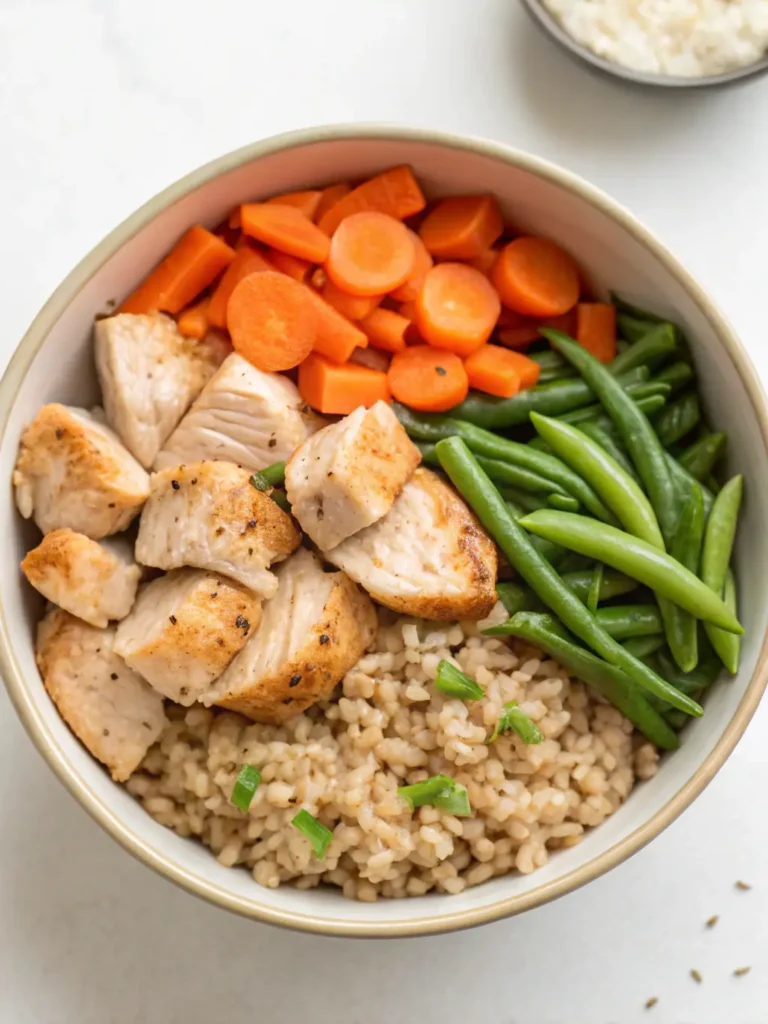
This simple, low-fat dish is high in lean protein and fiber, making it ideal for daily feeding.
Ingredients (for a 20–25 lb dog, daily portion):
- 1 cup cooked skinless chicken breast (shredded)
- ½ cup cooked brown rice
- ¼ cup steamed carrots (mashed)
- ¼ cup steamed green beans
- 1 tsp olive oil (optional for coat health)
- Calcium supplement or crushed eggshell (vet-verified dosage)
Why it works:
Lean protein keeps muscle mass intact, rice offers slow-release energy, and the veggies add gut-friendly fiber. Olive oil adds skin and coat benefits with minimal fat.
2. White Fish & Pumpkin Digestive Booster
Perfect for dogs with sensitive stomachs or post-illness recovery — and it’s low in fat.
Ingredients (for small to medium dogs):
- ½ cup cooked white fish (cod, tilapia)
- ½ cup steamed pumpkin (unsweetened)
- ¼ cup boiled sweet potato
- 1 tbsp rolled oats (cooked and cooled)
- Fish oil capsule (as per weight)
Why it works:
Easy to digest, anti-inflammatory, and rich in omega-3s. Pumpkin offers both fiber and a mild satiating effect.
3. Turkey, Oats & Spinach Fat Cutter
This heartier recipe is ideal for active dogs needing to slim down without losing energy.
Ingredients (scaled for 30+ lb dogs):
- 1 cup ground lean turkey (cooked)
- ½ cup cooked oatmeal
- ¼ cup steamed spinach
- ¼ cup shredded zucchini
- 1 tsp ground flaxseed
- Dog-safe vitamin mix (per vet rec.)
Why it works:
Turkey is lean and satisfying. Oatmeal and flax provide fiber and healthy omega-3s. Spinach and zucchini bring minerals and volume without calories.
What can I cook to help my dog lose weight?
Start with simple, lean recipes like chicken and pumpkin or turkey with greens. Avoid heavy grains, fats, and anything fried or processed. Always calculate portions based on your dog’s ideal weight — not current weight — and include supplements for nutritional balance.
Need help with portioning? Check out our full meal plan guide for size-based breakdowns.
Homemade recipes give you complete control — but they require consistency. Cook in batches, freeze in portions, and monitor how your dog responds. Within weeks, you should see a leaner shape, more energy, and a happier pup.
Sample Weekly Meal Plan (for Small, Medium & Large Dogs)
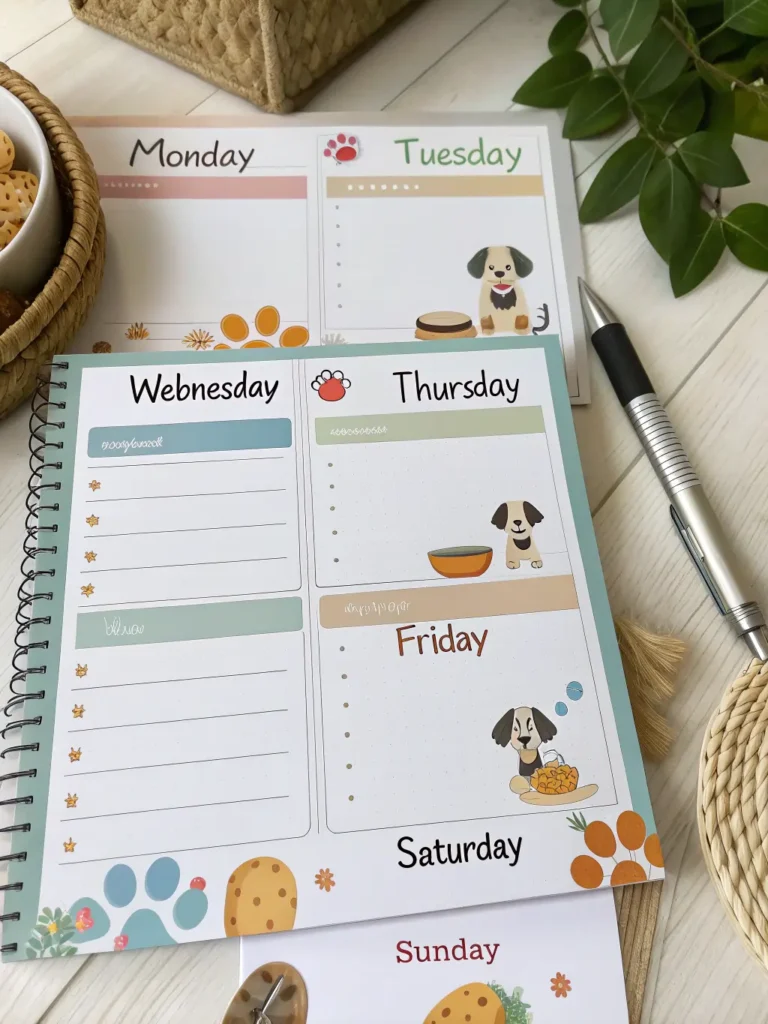
Once you’ve picked the right recipes, the next challenge is: how much and how often? Feeding too little can make your dog lethargic and nutrient-deficient. Feeding too much — even healthy food — will stall weight loss entirely.
This sample plan gives you a 7-day overview tailored to three weight categories, using real portions and proven recipes. It’s designed for adult, moderately active dogs aiming for gradual, safe weight loss.
Daily Feeding Guidelines (General Rule of Thumb)
- Small dogs (10–20 lbs): ~300–400 kcal/day
- Medium dogs (25–50 lbs): ~600–800 kcal/day
- Large dogs (55+ lbs): ~1,000–1,300 kcal/day
(Note: always confirm target calorie range with your vet based on ideal weight, not current weight.)
7-Day Meal Plan Overview
Small Dog (e.g., 15 lbs)
| Day | Morning | Evening |
|---|---|---|
| Mon | Chicken & Veggie Bowl (½ cup) | Pumpkin & Fish Blend (½ cup) |
| Tue | Turkey, Oats & Spinach (½ cup) | Chicken & Carrot Combo (½ cup) |
| Wed | Fish & Sweet Potato Mash (½ cup) | Turkey & Zucchini Bowl (½ cup) |
| Thu | Chicken with Green Beans (½ cup) | Pumpkin & Brown Rice (½ cup) |
| Fri | Turkey & Carrot Mix (½ cup) | Spinach & Oats Bowl (½ cup) |
| Sat | Light Fasting (single morning portion) | Low-fat treat only |
| Sun | Chicken & Pumpkin Bowl (½ cup) | Fish & Sweet Potato (½ cup) |
Medium & Large Dogs:
- Multiply portion sizes accordingly
- Use the same recipe rotation
- Add calcium supplements and essential oils as recommended
Feeding Tips:
- Stick to two meals per day at consistent times
- Avoid free-feeding or constant snacking
- Weigh food with a kitchen scale — visual estimation is unreliable
- Add a splash of warm water to enhance smell and texture, especially for picky eaters
Is chicken and rice a complete diet for dogs?
Not by itself. While chicken and rice are often used in bland diets for upset stomachs, they lack calcium, fiber, and essential fats. For long-term feeding, always include:
- Leafy greens or fibrous veggies
- Omega-3 sources (e.g., flaxseed or fish oil)
- Calcium supplement (e.g., ground eggshell or dog-safe formula)
Homemade meals must be nutritionally complete, especially for weight loss — where deficiencies can show up faster.
A structured weekly plan like this keeps you organized and your dog on track. It also helps you spot what’s working — or not — and adjust before weight plateaus.
Treats That Won’t Ruin the Progress
Here’s the truth that often gets overlooked: even the best dog food plan can be derailed by a few well-meaning treats. That tiny “good boy” biscuit? It could be adding 50–100 empty calories — the equivalent of a fast-food burger for a human.
But don’t worry — treats don’t have to be banned. They just need to be smart.
Treat Smarter, Not More
When your dog is on a weight-loss plan, treats should:
- Represent no more than 10% of daily calories
- Be low-fat, high-fiber, and ideally offer nutritional value
- Be factored into total calorie intake (don’t just add them on top)
Think of treats as part of your dog’s food budget — not an emotional bonus.
Healthy Low-Fat Treat Alternatives
Homemade Treat Ideas:
- Frozen carrot coins
- Baked sweet potato slices (no oil)
- Pumpkin cubes (chilled or frozen)
- Lean turkey meatballs (oven-baked, no oil)
- Spinach & oat mini biscuits
Store-Bought (check labels):
- Dehydrated single-ingredient treats (e.g., cod skin, turkey jerky)
- Low-calorie training treats (<5 kcal per piece)
- Dental chews under 30 kcal each
Always avoid:
- High-fat chews (pigs’ ears, marrow bones)
- Processed snacks with corn syrup or soy fillers
- Anything with added salt or sugar
Training Tip: Use Meals as Rewards
Split meals into smaller portions and use them during training sessions. This satisfies your dog’s need for praise and food, without adding unnecessary calories.
Can dogs have treats while on a diet?
Yes — but with intention. The right treats, in the right amount, can keep your dog motivated and happy without slowing their progress. Use low-fat, low-calorie options and avoid mindless over-rewarding.
Ultimately, treats shouldn’t feel like a guilty pleasure — they should be an extension of your dog’s health plan. Done right, they’ll reinforce good behavior and strengthen your bond without compromising weight goals.
Adapting Recipes for Special Needs Dogs
Not all dogs can thrive on standard weight-loss meals. Seniors, dogs with food sensitivities, or those recovering from illness may require customized nutrition — and homemade food gives you the flexibility to meet those needs.
But flexibility doesn’t mean guessing. You’ll need to adapt with intention.
For Senior Dogs
Aging dogs often gain weight due to decreased activity, slower metabolism, or joint pain — but they also face risks of muscle loss and organ stress if calories are cut too harshly.
Adjustments to make:
- Increase high-quality, digestible protein (e.g., turkey, white fish)
- Reduce carbohydrates, especially starches like potatoes or rice
- Add omega-3s (e.g., salmon oil) to support joints and inflammation
- Keep meals soft or moist for easier chewing
Explore: Low-Fat Dog Food for Senior Dogs
For Dogs with Food Allergies or Sensitivities
Many commercial diets rely heavily on chicken or beef — common allergens in dogs. Homemade meals allow you to identify and eliminate problematic proteins or grains.
Swap ideas:
- Replace chicken with lean pork, duck, or cod
- Use oatmeal or quinoa instead of wheat or rice
- Skip dairy entirely unless vet-approved
- Stick to simple, single-protein recipes until allergies are identified
Related: Homemade Dog Food Without Chicken
For Dogs Recovering from Illness or Surgery
Recovery demands:
- Gentle, easy-to-digest proteins (e.g., turkey, white fish)
- Higher calorie density (if weight loss is not the goal)
- Low fiber in early stages, gradually increasing as the gut stabilizes
Explore: Homemade Recovery Food for Dogs
Can I use the same recipes for all dogs?
Not quite. The base ingredients may overlap, but portion sizes, fat content, and supplement needs differ based on age, health, and lifestyle. It’s always best to customize — or consult your vet for specific adjustments.
Your dog isn’t “average.” Their diet shouldn’t be either. Whether they’re aging, sensitive, or healing, their meals can — and should — reflect that.
Transitioning to a Weight-Loss Diet – Safely & Smoothly
Switching your dog’s diet — even from one healthy meal to another — isn’t something you want to rush. A sudden change in ingredients, texture, or feeding rhythm can lead to digestive upset, loss of appetite, or even refusal to eat.
That’s why a gradual, structured transition is key — both for your dog’s physical health and emotional comfort.
How to Transition in 5–7 Days (or more if needed)
Day 1–2:
- 75% current food
- 25% new recipe (preferably mixed in)
Day 3–4:
- 50% current food
- 50% new recipe
Day 5–6:
- 25% current food
- 75% new recipe
Day 7+:
- 100% new recipe
Go slower if your dog has a sensitive stomach or refuses food during the switch. If vomiting, diarrhea, or flat-out rejection occurs, pause and return to the previous phase for another day or two before continuing.
Monitor Reactions Carefully
What to watch:
- Stool consistency (should stay firm, not loose or mucousy)
- Appetite and enthusiasm at mealtime
- Energy levels
- Skin/coat condition after 1–2 weeks
Any dramatic drop in activity, mood, or appetite should trigger a call to your vet — especially for senior dogs or those with underlying conditions.
How long should it take to switch my dog to homemade food?
Most healthy adult dogs can transition fully in 5–7 days. Seniors, puppies, or dogs with sensitive digestion may need up to 2 weeks or more. Always adjust based on how your dog responds — not just the calendar.
Transition isn’t just a phase — it’s your first chance to build trust with your dog’s new diet. Do it patiently, observe closely, and adjust with care. The smoother the switch, the better the long-term results.
Monitoring Your Dog’s Weight at Home
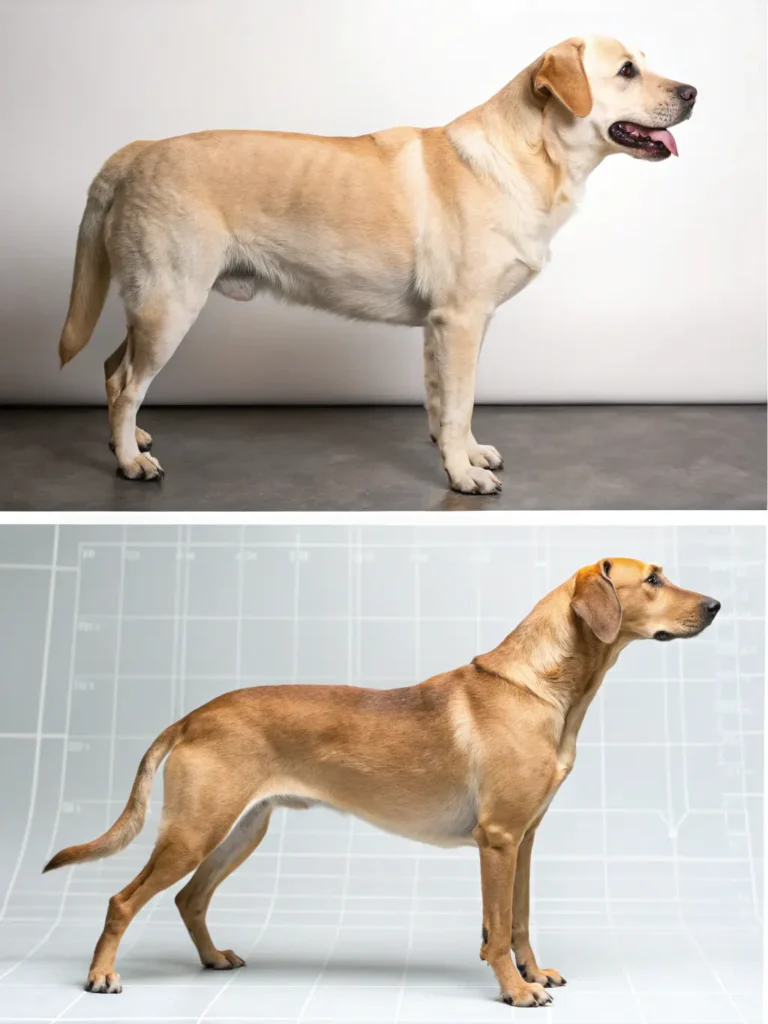
You’ve chosen the recipes, you’ve made the transition — now what? The truth is, even the best meal plan needs adjustments along the way. And the only way to know if it’s working is to track results.
But that doesn’t mean obsessing over the scale. Monitoring weight loss in dogs is more nuanced — and more visual — than just numbers.
Weekly Weigh-Ins (Yes, Weekly)
For dogs under 40 lbs, you can use a regular scale:
- Weigh yourself alone
- Weigh yourself holding the dog
- Subtract to get your dog’s weight
For larger breeds, use a vet’s scale or pet-friendly clinic — most will let you stop in for a quick weigh-in for free.
Aim for:
- 1–2% weight loss per week (slow = safe)
- No drastic changes or fasting days
Visual and Tactile Checks
Besides the scale, use these hands-on indicators:
- Ribs Check: You should feel the ribs easily with light pressure, but not see them visibly sticking out.
- Waistline: Viewed from above, your dog should have a noticeable inward curve behind the ribs.
- Energy Levels: A dog losing weight appropriately should feel more mobile, playful, and less lethargic — not sluggish or irritable.
Take monthly side-profile photos to visually track progress — it’s surprisingly motivating and accurate over time.
How do I know if my dog is losing weight the right way?
Safe signs of progress include:
- Gradual reduction in waist girth
- Slight increase in visible definition (shoulders, chest)
- Stable energy, no signs of fatigue or weakness
- Regular, well-formed stools
If your dog loses more than 5% of body weight in a week, consult a vet — that’s too fast and may indicate illness or over-restriction.
Weight loss isn’t just about food — it’s about feedback. Your dog’s body will tell you what’s working and what’s not — you just need to pay attention. And when in doubt? Your vet is your best ally.
FAQs About Homemade Diets for Weight Loss
Can I feed my dog homemade food instead of dog food?
Yes — but only if it’s balanced. Homemade food can absolutely replace kibble or canned food, but it needs to meet your dog’s full nutritional needs. That includes protein, fats, fiber, calcium, and micronutrients. A rotation of chicken and rice alone won’t cut it. Use vet-approved recipes and consider adding supplements if needed.
What is the absolute best diet for a dog?
There’s no one-size-fits-all. The “best” diet depends on your dog’s age, breed, activity level, health history, and weight goals. That said, diets based on whole, lightly cooked foods — with lean protein, vegetables, and appropriate fat and fiber — tend to outperform heavily processed kibble. Consult your vet to build the best version for your dog.
Is chicken and rice enough for long-term feeding?
Not alone. While it’s often used short-term for upset stomachs, chicken and rice lack essential nutrients — especially calcium, vitamin D, and healthy fats. For ongoing feeding, add greens, supplements, and rotate proteins to avoid deficiencies.
What dog food is best for weight loss?
The best weight-loss food is one that is:
- High in lean protein
- Moderate in fiber
- Low in fat
- Calorically controlled
Whether homemade or commercial, the key is consistency and proper portioning. Check our full list of low-fat dog food options for both homemade and store-bought solutions.
Are sweet potatoes good for dogs?
Yes — in small amounts. They’re fiber-rich, low in fat, and provide vitamins A and C. Boil or bake them without oil or seasoning. Limit portions for weight-loss dogs, as they’re still a source of carbs.
This FAQ section should help answer those lingering doubts owners often Google in the middle of recipe planning. But if you’re ever unsure, your dog’s vet or a certified canine nutritionist remains your best point of truth.
Final Thoughts – A Slimmer Pup, A Happier Life
Helping your dog lose weight isn’t just about numbers on a scale — it’s about giving them a second wind. More play. Less panting. Better sleep. Longer walks without limping. And honestly, more years by your side.
If there’s one thing to take away from this guide, it’s this: you have more control than you think. You can feed with purpose. You can choose fresh over filler. And with the right plan, you can help your dog slim down safely — without sacrificing taste, nutrients, or joy.
Homemade food isn’t just trendy. When done right, it’s healing.
So whether you’re here because your vet raised concerns, or because you just know your pup isn’t feeling their best lately — you’ve taken the first step. That matters. A lot.
Now it’s time to try a recipe. Or better yet, map out a week’s worth of meals. And remember: no transformation happens overnight — but the daily choices you make at the food bowl will add up faster than you think.