
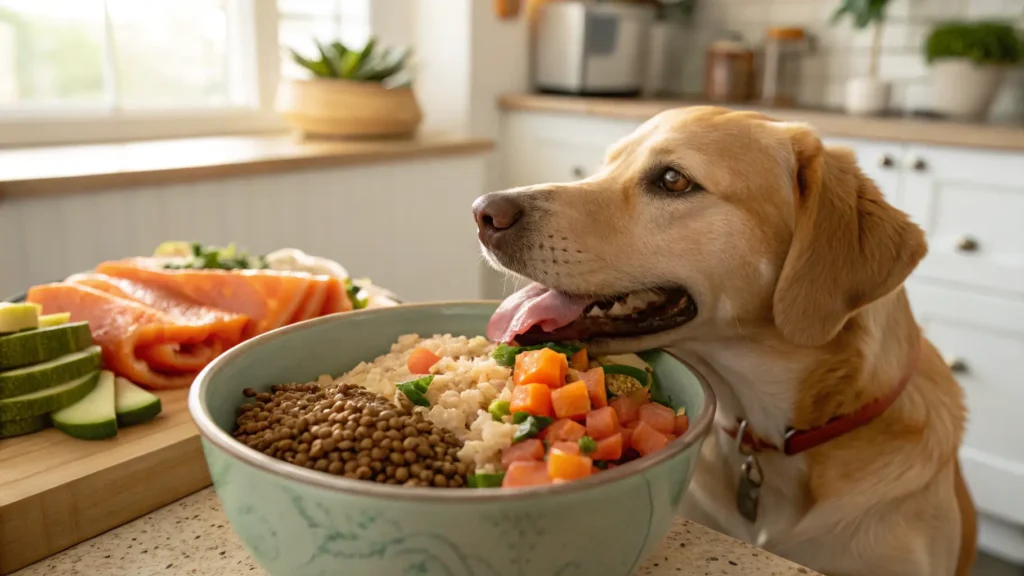
If you’re anything like me, you’ve probably squinted at the back of a dog food bag, wondering: “Is this really good for my dog?” I remember doing that every day for weeks when Toby—my goofy, tail-wagging shadow—started turning his nose up at his kibble.
And here’s something I learned along the way: fat isn’t the enemy. In fact, healthy fats are one of the most loving ingredients you can offer your dog.
When “Fat-Free” Isn’t Kind
At one point, I thought I was helping Toby by cutting back on fats. I bought all the “lean” formulas. But the more I tried, the worse he got—itchy skin, dull coat, low energy. His spark just… dimmed.
It broke my heart.
What I didn’t know then—but do now—is that fats are essential. Not optional. Not dangerous. Essential.
They:
- Support a healthy brain and immune system
- Make coats soft and shiny
- Help absorb vital nutrients
- Fuel playful zoomies around the house
And for dogs like Toby, who struggle with food sensitivities, quality fat sources can be the gentle, nourishing solution we didn’t know we needed.
The Good, the Bad, and the Greasy
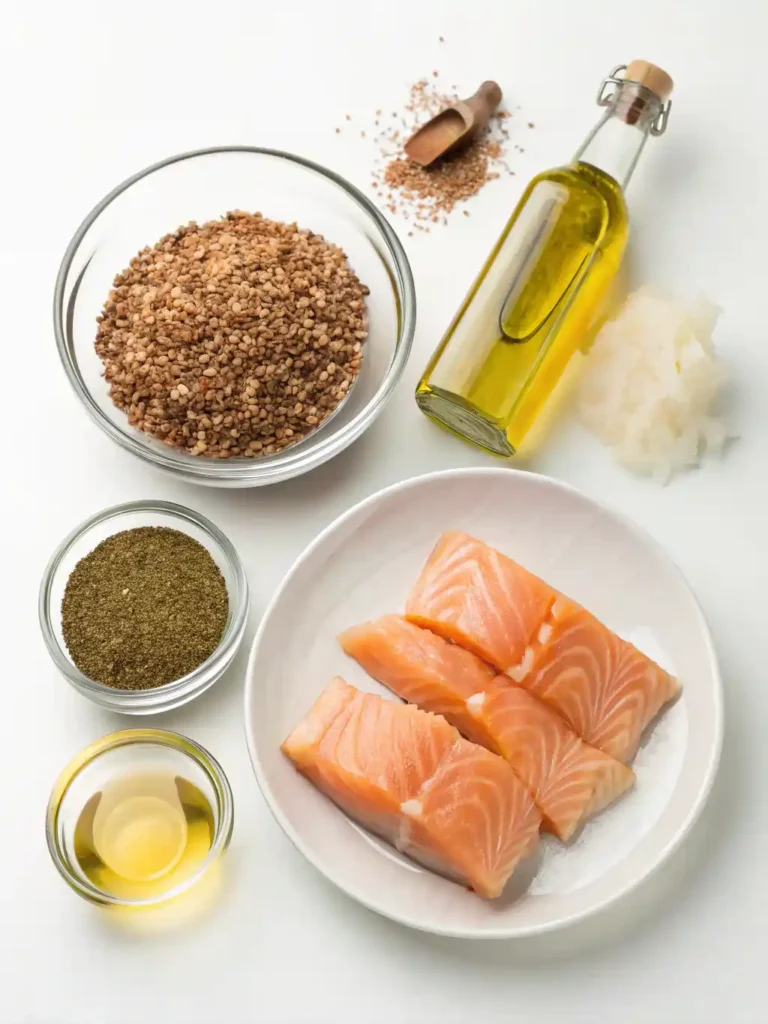
So what kind of fats are actually good for our dogs?
Healthy, Loving Fats:
- Fish oil: rich in Omega-3s, soothing for skin and joints
- Chicken fat: natural, easy to digest
- Flaxseed oil: plant-based, full of anti-inflammatory benefits
- Coconut oil: a little goes a long way for digestion and coat shine
Fats to Avoid:
- Unlabeled “animal fat”: if they won’t tell you the source, that’s a red flag
- Old or rancid oils: can do more harm than good
- Greasy fillers: often found in ultra-processed, bargain-brand kibble
When I started cooking for Toby, I didn’t overthink it. Just a drizzle of fish oil. A little chicken skin saved from our dinner. And the difference? It felt like watching him come back to life.
How Much Fat Does Your Dog Really Need?
This part can feel confusing. So here’s a simple guide:
- Puppies: need more (8–12% fat in dry food)
- Active dogs: also need more, especially working breeds
- Seniors or overweight dogs: still need fat—but healthy, measured amounts
The truth is, fat helps your dog feel satisfied. It supports their mood, their body, and yes, their heart. Food is love, remember?
When There’s Too Little Fat…
I’ve been there. I watched Toby’s coat turn brittle. He scratched all the time. His eyes looked tired, even when he hadn’t played.
It wasn’t until we gave his diet the richness it needed that things changed. With every nourishing meal, his shine returned. His joy followed.
And I knew: this was love, one bowl at a time.
If You’re Wondering Where to Start…
Start here—with kindness, curiosity, and one tiny step. Maybe that’s adding a splash of oil to tonight’s meal. Maybe it’s finally reading that ingredient list with fresh eyes.
No matter what brought you here, just know:
You’re not alone. Welcome to the pack.